
✖
Europe Herbal Tea Market Size, Share, Trends & Growth Forecast Report – Segmented By Product Type, Flavour, Distribution Channel, Form, and Country (UK, France, Spain, Germany, Italy, Russia, Sweden, Denmark, Switzerland, Netherlands, Turkey, Czech Republic & Rest of Europe), Industry Analysis From 2026 to 2034
The Europe herbal tea market was valued at USD 1.19 billion in 2025, is estimated to reach USD 1.23 billion in 2026, and is projected to reach USD 1.55 billion by 2034, growing at a CAGR of 2.97% during the forecast period from 2026 to 2034. The growth of the Europe herbal tea market is driven by increasing consumer preference for natural and functional beverages, rising health awareness, and growing demand for caffeine-free and wellness-oriented drinks. Expanding interest in herbal ingredients, clean-label products, and premium tea blends is further supporting market growth. Additionally, increasing consumption of herbal teas for relaxation, digestive health, immunity, and overall well-being is contributing to the steady expansion of the market across Europe.
Rising consumer demand for natural, functional, and wellness beverages is driving the growth of the Europe herbal tea market.
Increasing awareness of the health benefits associated with herbal infusions is encouraging regular consumption.
Growing demand for premium, organic, and clean-label tea products is supporting market expansion.
Product innovation featuring botanical blends, functional herbs, and sustainable packaging is creating new growth opportunities.
Expansion of supermarkets, specialty tea stores, and online retail platforms is improving product accessibility.
Based on product type, the green tea segment dominated the Europe herbal tea market in 2025. The segment's leadership is attributed to its widespread recognition as a health-promoting beverage rich in antioxidants and catechins, along with strong consumer preference for wellness-oriented tea products.
Based on flavor, the peppermint segment held the largest share of the Europe herbal tea market in 2025. The segment's dominance is driven by its refreshing taste, broad consumer appeal, and well-recognized digestive and calming benefits.
Based on distribution channel, the supermarkets segment accounted for the largest share of the Europe herbal tea market in 2025. The segment's growth is supported by extensive product availability, organized retail expansion, competitive pricing, and consumers' preference for convenient shopping.
The Europe herbal tea market is witnessing steady growth due to increasing health consciousness, rising demand for natural beverages, and expanding premium tea consumption.
The United Kingdom dominated the Europe herbal tea market in 2025. The country's leadership is supported by its well-established tea-drinking culture, growing consumer preference for premium herbal blends, increasing demand for health-focused beverages, and strong retail distribution networks.
Germany remains a significant market due to high consumption of herbal infusions, strong consumer awareness of natural health products, and a well-developed organic food sector.
The Europe herbal tea market is moderately competitive, with manufacturers focusing on product innovation, premium herbal blends, organic certification, and sustainable sourcing to strengthen their market positions. Companies are investing in clean-label formulations, eco-friendly packaging, and strategic partnerships to meet the growing demand for functional and wellness beverages across retail and foodservice channels. Key players operating in the Europe herbal tea market include Unilever, Associated British Foods plc, Twinings of London, Nestlé S.A., Tanla Food Limited and Trade Ltd., Yogi Tea, Harney & Sons Fine Teas, Martin Bauer Group, Barry's Tea, Hain Celestial, Pukka Herbs, Tata Consumer Products, and Tielka.
The Europe herbal tea market size was valued at USD 1.19 billion in 2025, and the market size is expected to reach USD 1.55 billion by 2034 from USD 1.23 billion in 2026. The market is growing at a CAGR of 2.97% during the forecast period.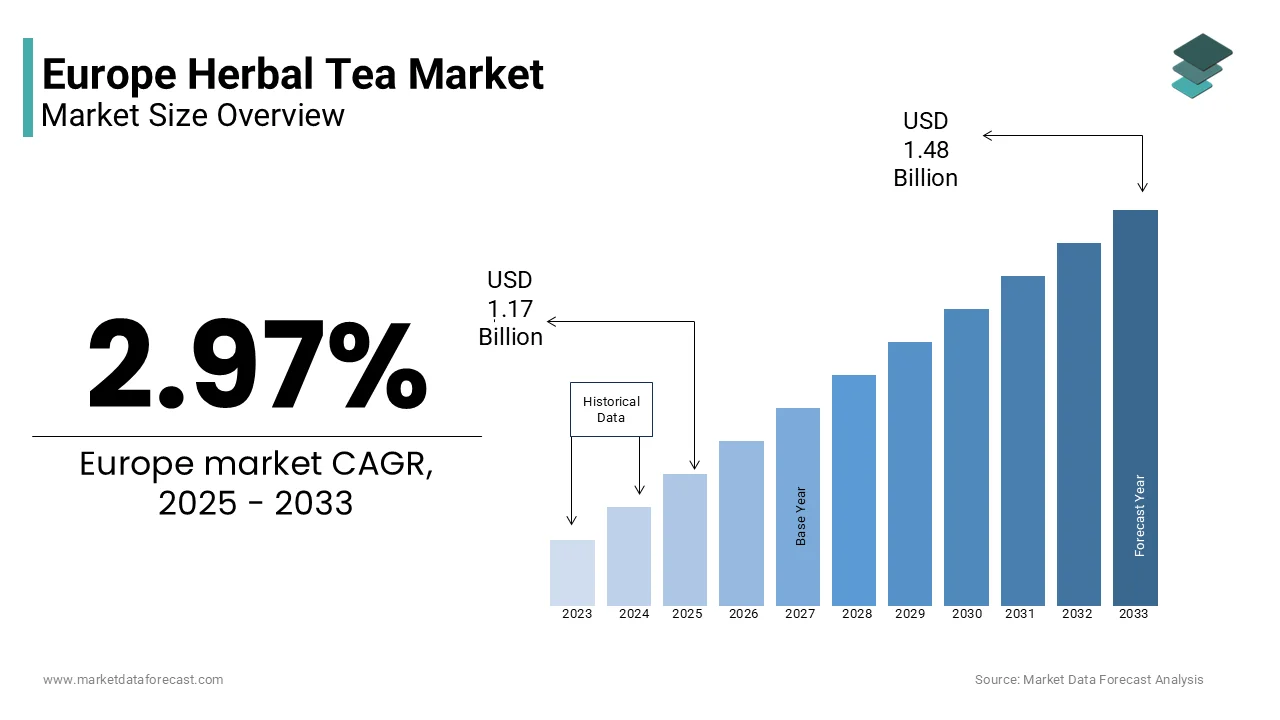
Herbal tea encompasses a diverse array of caffeine free infusions derived from dried leaves, flowers, roots, and fruits of various plants. This sector has transcended its traditional role as a medicinal remedy to become a staple of daily wellness routines and social rituals across the continent. Countries such as Germany, France, and the United Kingdom exhibit deep cultural affinities for botanical beverages, driven by historical practices and modern health consciousness. As per data from Eurostat, the consumption of non-alcoholic beverages in the European Union has shifted significantly toward functional and natural options, with herbal teas representing a substantial portion of this transition. The market is characterized by a wide variety of ingredients including chamomile, peppermint, ginger, and rooibos, each offering distinct therapeutic benefits. According to the European Food Safety Authority, consumer interest in plant based products has surged due to their perceived safety and holistic health advantages. The industry operates within a strict regulatory framework that ensures product quality and labeling accuracy, fostering consumer trust. Retail channels range from specialized health food stores to mainstream supermarkets and online platforms, reflecting broad accessibility. The rise of organic certification and sustainable sourcing practices further defines the competitive landscape. This market continues to evolve as manufacturers innovate with unique blends and premium packaging to meet the discerning tastes of European consumers who prioritize both flavor and functionality in their beverage choices.
The increasing incidence of lifestyle related health conditions such as stress, insomnia, and digestive disorders is majorly fuelling the growth of the herbal tea market in Europe. Consumers are actively seeking natural alternatives to pharmaceutical interventions for managing minor ailments and promoting overall well-being. According to a report by the European Agency for Safety and Health at Work, stress remains a significant concern affecting a large percentage of the workforce, which is leading many individuals to adopt relaxation techniques including the consumption of calming herbal infusions like lavender and valerian root. Digestive issues are also widespread, with data from the United European Gastroenterology organization reporting that a significant portion of the population suffers from functional gastrointestinal disorders. Herbal teas containing peppermint, ginger, and fennel are widely recognized for their soothing properties and are frequently recommended by healthcare professionals as part of dietary management. This medical endorsement enhances consumer confidence and drives regular purchase behavior. Furthermore, the aging population in Europe, which constitutes over 20% of the total demographic as per Eurostat data, is more prone to chronic conditions and seeks gentle, non-invasive remedies. The preventive health mind-set encourages daily consumption of antioxidant rich herbal teas to boost immunity and reduce inflammation. This shift from reactive treatment to proactive wellness sustains demand for diverse herbal formulations tailored to specific health needs, solidifying the market’s growth trajectory.
The strong consumer preference for organic and natural products significantly propels the Europe herbal tea market forward as shoppers increasingly scrutinize ingredient sources and production methods. Awareness regarding the potential harms of pesticides and synthetic additives has led to a surge in demand for certified organic herbal teas. According to the Research Institute of Organic Agriculture, sales of organic food and beverages in Europe reached 52 billion euros in 2023, with herbal teas being a key contributor to this growth. Consumers associate organic certification with higher quality, better taste, and environmental stewardship, making them willing to pay premium prices for these products. The European Union’s Farm to Fork Strategy aims to increase organic farming land to 25% by 2030, providing policy support and incentives for producers to transition to organic methods. This regulatory push ensures a steady supply of high quality raw materials for tea manufacturers. Additionally, transparency in supply chains allows brands to highlight ethical sourcing practices, appealing to socially conscious buyers. Retailers have responded by expanding their organic sections and prominently displaying certification labels such as the EU Organic Logo. As per a report from the European Consumer Organisation, a majority of European consumers are willing to change their consumption habits to reduce environmental impact, a sentiment that directly benefits organic herbal tea brands. This alignment with broader sustainability trends reinforces the market position of organic herbal teas as a preferred choice for health and environmentally aware individuals.
Strict regulatory compliance and complex labeling requirements is a significant impediment to the European herbal tea market growth. The European Union enforces rigorous standards under the Novel Food Regulation and the Traditional Herbal Medicinal Products Directive, which govern the safety, efficacy, and marketing of herbal substances. According to the European Food Safety Authority, any health claim made on herbal tea packaging must be scientifically substantiated and approved, a process that is time consuming and costly. Many small and medium sized enterprises struggle to navigate these legal complexities, limiting their ability to introduce new products or make promotional claims. The distinction between food supplements and medicinal products often creates ambiguity, leading to potential legal risks if misclassified. Additionally, the General Data Protection Regulation impacts how companies collect and use consumer data for targeted marketing, which is restricting personalized engagement strategies. As per the European Commission, non-compliance can result in severe penalties and product recalls, damaging brand reputation and financial stability. The need for continuous monitoring of regulatory updates across different member states further complicates operations for companies seeking pan European distribution. These regulatory hurdles increase time to market and development costs, discouraging innovation and limiting the diversity of products available to consumers. Consequently, the market faces constraints in agility and responsiveness to emerging consumer trends due to the heavy administrative and legal load.
Supply chain volatility and the adverse effects of climate change are further hampering the European herbal tea market expansion. Many herbal ingredients such as chamomile, mint, and lemon balm are sensitive to weather variations, requiring specific climatic conditions for optimal growth. According to the European Environment Agency, extreme weather events including droughts and floods have become more frequent in Europe, affecting agricultural yields and increasing price instability. For instance, prolonged dry spells in Southern Europe have reduced harvest volumes for key herbs, forcing manufacturers to source from distant regions at higher costs. This dependency on global supply chains exposes the market to geopolitical tensions, trade barriers, and logistical disruptions. The Intergovernmental Panel on Climate Change warns that global crop productivity could decline by up to 25% by 2050 without adaptive measures, threatening long term supply security. Fluctuating raw material prices squeeze profit margins for manufacturers who may hesitate to pass costs onto price sensitive consumers. Additionally, quality inconsistencies due to varying growing conditions can affect flavor profiles and potency, leading to consumer dissatisfaction. As per the Food and Agriculture Organization of the United Nations, post harvest losses in the herb sector remain high due to inadequate storage and transportation infrastructure in some sourcing regions. These challenges necessitate significant investment in resilient supply chain strategies and sustainable farming practices, straining resources and limiting market expansion capabilities.
The development of innovative functional blends and wellness formulations presents a major opportunity for the Europe herbal tea market to capture niche segments and enhance value proposition. Consumers are increasingly seeking beverages that offer specific health benefits beyond hydration, such as improved sleep, enhanced focus, or detoxification. According to research from Mintel, a significant majority of European consumers are interested in functional foods and drinks that support mental and physical well-being. Manufacturers can leverage this trend by creating targeted blends using ingredients like ashwagandha for stress relief, turmeric for anti-inflammation, and elderberry for immune support. Collaborations with nutritionists and herbalists allow brands to formulate scientifically backed products that appeal to health conscious buyers. The rise of adaptogens and nootropics in the wellness industry provides a rich pool of ingredients for experimentation. For instance, the demand for adaptogen is expected to grow significantly and offer ample opportunities for integration into herbal tea lines. Premium packaging and clear communication of benefits further differentiate these products in crowded retail spaces. Subscription models and personalized tea services enable direct consumer engagement and recurring revenue streams. By focusing on specific wellness outcomes, brands can command higher price points and build loyal customer bases. This strategic shift from generic herbal teas to purpose driven wellness solutions aligns with the evolving demands of modern consumers seeking holistic health support through their daily routines.
The expansion into ready to drink and convenient formats offers a significant growth avenue for the Europe herbal tea market by catering to busy lifestyles and on the go consumption habits. While traditional loose leaf and bagged teas require preparation time, ready to drink bottled or canned herbal teas provide immediate convenience without compromising on health benefits. According to Statista, the ready to drink tea market in Europe is projected to grow at a compound annual growth rate of 5.2% through 2028, driven by urban professionals and younger demographics. Brands can introduce cold brew herbal teas, sparkling infusions, and concentrated shots that appeal to consumers seeking refreshing and healthy alternatives to sugary sodas. Partnerships with cafes, gyms, and convenience stores enhance visibility and accessibility. The use of natural sweeteners and clean label ingredients aligns with health trends, attracting fitness enthusiasts and weight conscious individuals. As per data from Euromonitor International, convenience remains a top priority for a high percentage of European shoppers, making portable formats highly attractive. Innovations in preservation technologies ensure freshness and flavor retention without artificial additives. Marketing campaigns emphasizing portability and instant wellness can drive trial and adoption. By diversifying product formats, manufacturers can tap into new usage occasions such as post workout hydration or mid afternoon energy boosts. This expansion broadens the market reach beyond traditional home consumption, capturing impulse buys and increasing overall volume sales in the competitive beverage landscape.
Intense competition from substitute beverages such as coffee, soft drinks, and flavored waters poses a significant challenge to the Europe herbal tea market by fragmenting consumer attention and spending. Coffee culture remains deeply entrenched in many European countries, with high consumption rates providing stiff competition for morning and afternoon beverage choices. According to the International Coffee Organization, Europe accounts for nearly 30% of global coffee consumption, creating a formidable barrier for herbal tea penetration in certain day parts. The popularity of sparkling waters and infused drinks with added vitamins or electrolytes also draws health conscious consumers away from traditional herbal infusions. These alternatives often offer similar perceived health benefits with greater convenience or novel flavor experiences. As per data from industry analysts, the chilled juice and water category has seen robust growth, outpacing hot beverage segments in some regions. Marketing budgets of large multinational beverage corporations dwarf those of herbal tea brands, allowing for aggressive advertising and shelf space dominance. Consumer loyalty is often low, with shoppers frequently switching brands based on price promotions or novelty. The perception of herbal tea as a niche or medicinal product rather than a daily staple limits its mass appeal. Overcoming this challenge requires differentiated branding, superior taste profiles, and strategic positioning that highlight unique wellness advantages not offered by substitutes. Without effective differentiation, herbal tea risks remaining a secondary choice in the broader beverage ecosystem.
Price sensitivity and economic inflation pressures present a major challenge to the Europe herbal tea market by constraining consumer spending power and altering purchasing behaviors. Rising costs of living, including energy and food prices, have led many households to prioritize essential goods over premium discretionary items. According to the European Central Bank, inflation rates in the euro area have periodically remained elevated, impacting real income levels and reducing disposable income for non-essential purchases. Herbal teas, particularly organic and specialty blends are often priced higher than standard black or green teas, making them vulnerable to budget cuts. Consumers may switch to cheaper private label alternatives or reduce purchase frequency to manage expenses. As per Statista, private label shares in the tea category have increased as shoppers seek value for money. Manufacturers face the dilemma of absorbing rising input costs or raising prices, both of which can erode margins or demand. Supply chain disruptions further exacerbate cost pressures, limiting the ability to offer competitive pricing. Discount retailers and hard discounters gain traction during economic downturns, pressuring premium brands to justify their value proposition. Maintaining brand loyalty amidst financial strain requires innovative packaging sizes, bundle offers, and loyalty programs. However, the fundamental pressure of affordability remains a persistent hurdle. This economic environment forces market participants to optimize cost structures while maintaining quality, a delicate balance that tests operational resilience and strategic agility in the face of macroeconomic uncertainty.
REPORT METRIC
DETAILS
Market Size Available
2025 to 2034
Base Year
2025
Forecast Period
2026 to 2034
CAGR
2.97%
Segments Covered
By Product Type, Flavour, Form, Distribution Channel , and Region
Various Analyses Covered
Global, Regional, & Country Level Analysis; Segment-Level Analysis; DROC, PESTLE Analysis; Porter’s Five Forces Analysis; Competitive Landscape; Analyst Overview of Investment Opportunities
Regions Covered
UK, France, Spain, Germany, Italy, Russia, Sweden, Denmark, Switzerland, Netherlands, Turkey, and the Czech Republic
Market Leaders Profiled
Unilever, Associated British Foods plc, Twinings of London, Nestlé S.A., Tanla Food Limited and Trade Ltd., Yogi Tea, Harney & Sons Fine Teas, Martin Bauer Group, Barry’s Tea, Hain Celestial, Pukka Herbs, Tata Consumer Products, and Tielka.
The green tea segment led the market by capturing the major share of the European market in 2025 due to its widespread recognition as a health promoting beverage rich in antioxidants and catechins. Although botanically distinct from herbal infusions, it is often categorized alongside them in consumer wellness contexts due to its non coffee based nature and perceived medicinal benefits. According to data from the European Commission, green tea consumption has risen by 15% over the past few years as consumers seek alternatives to high caffeine beverages. A primary driver is the extensive scientific literature supporting its role in weight management and cardiovascular health. The World Health Organization notes that regular consumption of green tea is associated with reduced risks of chronic diseases, prompting healthcare professionals to recommend it as part of a balanced diet. This medical endorsement drives consistent demand across age groups. The second driving factor is the versatility of green tea, which serves as a base for numerous flavored blends including mint, lemon, and jasmine. This adaptability allows manufacturers to cater to diverse taste preferences while maintaining the core health proposition. As per Statista, green tea accounts for approximately 30% of total tea sales in Western Europe, reflecting its entrenched status in daily routines. The availability of organic and premium varieties further enhances its appeal to discerning consumers who prioritize quality and sustainability. Retailers support this dominance by dedicating significant shelf space to green tea products, ensuring high visibility and accessibility for shoppers seeking healthy hydration options. 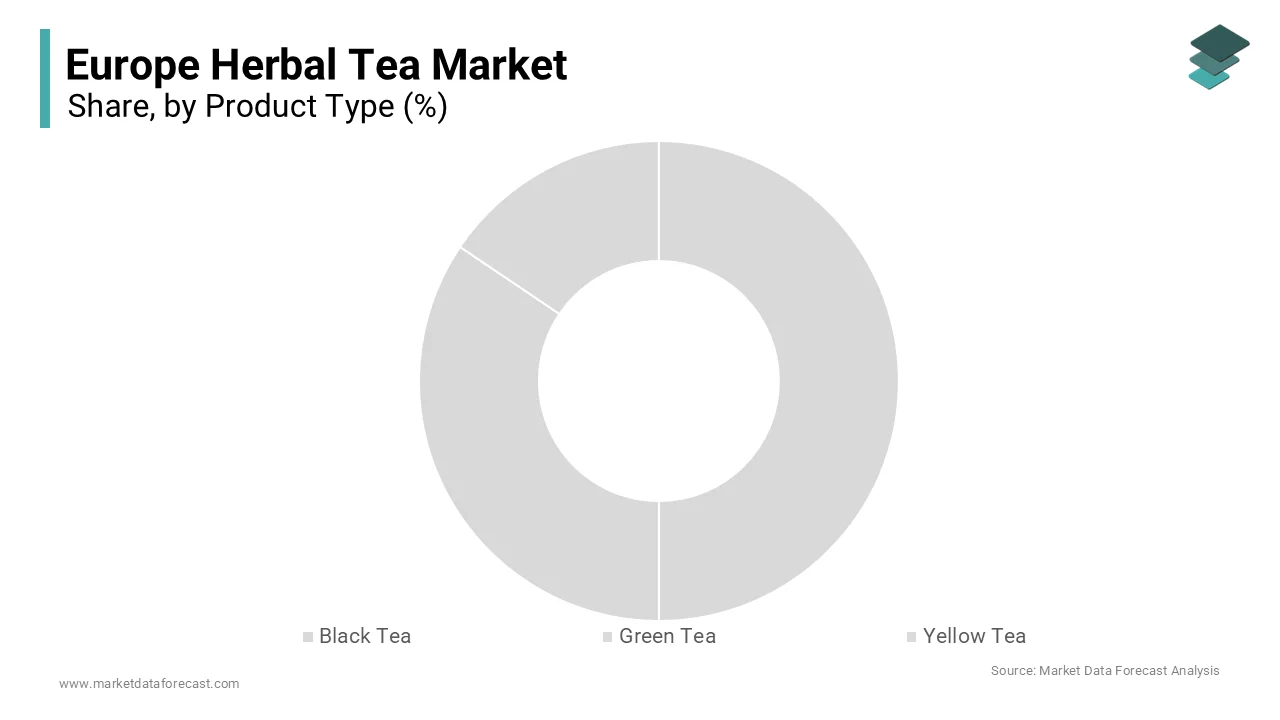
However, the yellow tea segment is emerging as the fastest growing segment within the herbal tea market in Europe and is estimated to record a CAGR of 9.4% over the forecast period. This rare and lightly fermented tea is gaining traction among connoisseurs and health enthusiasts who seek unique flavor profiles and exclusive wellness benefits. Its growth is driven by the increasing consumer curiosity for exotic and artisanal tea experiences that differentiate from mainstream offerings. According to the International Tea Committee, interest in rare tea varieties has been increasing as educated consumers explore nuanced tasting notes and traditional processing methods. Yellow tea is prized for its smooth taste and lower caffeine content compared to black or green teas, making it suitable for evening consumption. The second factor is the influence of digital media and tea influencers who highlight the rarity and craftsmanship involved in producing yellow tea. Social media campaigns educate consumers about its historical significance in Chinese culture and its potential digestive benefits. As per Mintel, premiumization trends in the beverage sector are encouraging shoppers to trade up to higher value items, with yellow tea positioned as a luxury wellness product. Limited supply and high production costs contribute to its premium pricing, attracting affluent buyers who view it as a status symbol. This combination of exclusivity, educational marketing, and premium positioning fuels its rapid expansion in the European niche market.
The peppermint segment had the major share of the European market in 2025 due to its universal appeal, refreshing taste, and well documented digestive benefits. It is a staple in households across the continent, widely used to alleviate bloating, indigestion, and nausea. According to the European Medicines Agency, peppermint oil and leaf preparations are officially recognized for treating symptoms of irritable bowel syndrome, lending scientific credibility to its consumption. This regulatory acceptance drives consistent purchase behavior among individuals seeking natural relief for gastrointestinal issues. A primary driver is its versatility in both hot and cold preparations, making it a year round favorite. In summer, it is consumed as iced tea for cooling effects, while in winter, it serves as a soothing warm beverage. The second driving factor is its widespread availability and affordability, with major retailers stocking multiple brands and formats ranging from loose leaf to tea bags. As per data from industry research, peppermint tea accounts for nearly 25% of all herbal tea sales in Europe, reflecting its status as a household essential. Its mild flavor profile also makes it an ideal base for blending with other herbs such as chamomile or lemon balm, expanding its usage occasions. The strong cultural association of peppermint with comfort and cleanliness further reinforces its dominant position. Manufacturers leverage this familiarity by introducing innovative packaging and organic variants, ensuring that peppermint remains the cornerstone of the herbal tea category despite the emergence of new flavors.
On the other side, the ginger segment is the fastest growing flavor segment in the Europe herbal tea market and is predicted to record a CAGR of 10.4% over the forecast period owing to the rising consumer awareness of ginger’s potent anti-inflammatory and immune boosting properties, particularly in the post pandemic era. Consumers are increasingly incorporating ginger into their daily routines to enhance immunity and combat respiratory ailments. According to the National Institutes of Health, ginger contains bioactive compounds such as gingerol that have been shown to reduce oxidative stress and inflammation, driving demand among health conscious individuals. The second factor is its popularity in wellness trends such as detox cleanses and metabolism boosting regimens. Fitness enthusiasts and weight management seekers favor ginger tea for its thermogenic effects and ability to aid digestion after meals. As per Euromonitor International, the demand for functional ingredients in beverages has increased significantly, with ginger being a top choice for its dual role as a flavor enhancer and health supplement. Retailers are responding by launching spicy ginger blends combined with turmeric, lemon, and honey to create complex flavor profiles that appeal to adventurous palates. The rise of Asian cuisine in Europe has also normalized the use of ginger in daily diets, further accelerating its adoption in tea form. This convergence of medicinal value and culinary trendiness positions ginger as the most dynamic growth driver in the herbal tea flavor landscape.
The supermarkets segment dominated the market by holding the leading share of the European market in 2025 due to their extensive reach, convenience, and ability to offer a wide variety of brands under one roof. Most European consumers prefer purchasing grocery items during weekly shopping trips, making supermarkets the primary touchpoint for herbal tea sales. According to Eurostat, over 70% of household food and beverage purchases in Europe occur in supermarket chains, reflecting their dominance in retail traffic. A primary driver is the strategic placement of herbal teas in prominent aisles near health foods and beverages, ensuring high visibility and impulse purchases. Supermarkets leverage their bargaining power to secure competitive pricing and promotional deals, attracting price sensitive shoppers. The second driving factor is the trust consumers place in established retail brands for product quality and safety. Major chains like Carrefour, Tesco, and Aldi have developed robust private label herbal tea ranges that offer affordable alternatives to premium brands. As per Kantar, private label teas account for a significant share of supermarket sales, driven by improved quality and packaging standards. The availability of loyalty programs and digital coupons further incentivizes repeat purchases. Supermarkets also facilitate the introduction of new flavors and brands through sampling campaigns and end cap displays. This combination of accessibility, affordability, and trust solidifies supermarkets as the primary channel for herbal tea distribution across the continent.
However, the online channel segment is poised to see continued accelerated growth as digital shopping habits become further ingrained in European consumer behavior and is expected to expand at a CAGR of 12.2% over the forecast period owing to the increasing penetration of e-commerce platforms and the convenience of home delivery. Consumers appreciate the ability to browse extensive catalogs, read reviews, and compare prices from the comfort of their homes. According to the European E commerce Association, online grocery sales have seen consistent growth, with specialty food items like herbal tea benefiting from this shift. A key driver is the availability of niche and premium brands that are not stocked in local supermarkets. Online retailers offer access to organic, fair trade, and artisanal teas from global producers, catering to discerning customers seeking unique products. The second factor is the rise of subscription services that deliver curated tea boxes monthly, ensuring convenience and discovery. These models build customer loyalty and provide predictable revenue streams for sellers. As per industry insights, personalization algorithms on e commerce sites enhance user experience by recommending products based on past purchases and preferences. Social media integration allows brands to engage directly with consumers, driving traffic to online stores. The ease of return policies and secure payment gateways further reduces purchase hesitation. This digital transformation enables smaller brands to compete with giants, fostering a vibrant and diverse online marketplace for herbal teas.
The UK led the market by accounting for the major share of the European market in 2025 and is likely to maintain its leadership in the herbal tea sector as premiumization and health-oriented trends continue to drive domestic demand over the next few years. The UK market is characterized by a strong preference for traditional blends such as peppermint and chamomile, alongside a growing interest in functional wellness teas. According to the UK Tea and Infusions Association, herbal tea sales have maintained steady growth, outpacing traditional black tea as consumers seek caffeine free options. A major driving factor is the widespread availability of herbal teas in every retail outlet, from corner shops to large supermarkets, ensuring easy access. The second factor is the influence of public health campaigns promoting hydration and stress management, which endorse herbal infusions as healthy alternatives. London serves as a hub for innovation, with numerous boutique tea houses and online startups introducing exotic blends. The market is also supported by strict food safety standards that ensure product quality. Despite economic pressures, the affordability of herbal tea maintains its popularity across income groups. The UK’s mature market continues to evolve through premiumization and sustainability initiatives, setting trends for the rest of Europe.
Germany is expected to see steady, continued growth as the focus on organic standards and natural health remedies remains a priority for local consumers over the coming years. Germany represents a significant and sophisticated market for herbal tea in Europe distinguished by its strong tradition of using herbal infusions for medicinal purposes. German consumers view herbal tea as a natural remedy for minor ailments, driven by a culture that values naturopathy and preventive health. According to various market reports, a high percentage of households regularly consume herbal teas for digestive or respiratory support. A primary driver is the high trust in pharmaceutical grade herbal products, with many teas sold in pharmacies alongside conventional medicines. This regulatory endorsement enhances credibility and drives consistent demand. The second factor is the strong presence of organic certification, with Germany being one of the largest markets for organic food in Europe. Consumers prefer certified organic herbal teas, willing to pay premium prices for guaranteed purity. Major retailers like dm and Rossmann dedicate extensive shelf space to organic herbal brands. The market is also influenced by environmental awareness, with a focus on sustainable packaging and fair trade sourcing. Germany’s rigorous quality standards and health oriented consumer base ensure a stable and high value market for herbal tea producers.
France is anticipated to continue its growth trend as the demand for sophisticated, experiential, and wellness-focused tea products remains strong among urban populations for the next few years. France occupies a refined position in the Europe herbal tea market, characterized by a preference for gourmet and artisanal blends. The French market emphasizes flavor complexity and aesthetic presentation, viewing herbal tea as a leisure activity rather than just a health supplement. According to industry analysis, sales of premium herbal teas have increased steadily, driven by the rise of specialty tea boutiques in urban centers. A key driver is the cultural appreciation for gastronomy, where herbal teas are paired with desserts or enjoyed during afternoon breaks. Brands like Kusmi Tea have popularized sophisticated blends featuring fruits, flowers, and spices. The second factor is the growing trend of wellness tourism and spa culture, where herbal infusions are integral to relaxation rituals. Paris serves as a trendsetter, influencing national preferences through influencer marketing and lifestyle magazines. The market is also supported by government initiatives promoting local agriculture, encouraging the use of French grown herbs such as lavender and verbena. France’s focus on quality and experience creates a niche but lucrative segment for high end herbal tea providers.
Spain is likely to see robust expansion in the herbal tea segment as health-conscious lifestyles and Mediterranean dietary habits continue to gain traction over the next few years. Spain holds a growing share of the Europe herbal tea market owing to the increasing health awareness and the influence of Mediterranean dietary habits. The Spanish market is characterized by a preference for light, refreshing herbal infusions such as lemon balm and thyme, often consumed after meals. According to data from the Spanish Ministry of Agriculture, domestic production of aromatic herbs has increased to meet rising demand, supporting local supply chains. A primary driver is the warm climate, which encourages the consumption of cold herbal teas and iced infusions during summer months. This seasonal demand boosts sales volumes significantly. The second factor is the rising prevalence of lifestyle related diseases, prompting consumers to adopt healthier beverages. Urban centers like Madrid and Barcelona are seeing a proliferation of healthy cafes and tea bars that offer innovative herbal blends. Social media plays a crucial role in discovering new trends among younger demographics. The market is also benefiting from tourism, with visitors seeking authentic Spanish herbal experiences. Despite economic challenges, the cultural shift toward wellness ensures steady growth for the herbal tea sector in Spain.
Italy is expected to maintain consistent market performance as the blend of traditional herbal practices and modern wellness requirements continues to shape consumer choices for the next few years. The Italian market is known for its use of indigenous herbs such as sage, rosemary, and fennel in daily infusions. According to data from agricultural organizations, the cultivation of medicinal herbs has expanded, providing high quality raw materials for tea producers. A key driver is the strong family tradition of preparing homemade herbal teas for digestive health, which translates into commercial demand for convenient packaged versions. The second factor is the growing interest in organic and biodynamic products, with Italy being a leader in organic farming in Europe. Consumers prefer teas that reflect local terroir and sustainable practices. Major cities like Milan and Rome are hubs for premium tea brands that emphasize artisanal quality. The market is also influenced by the slow food movement, which advocates for mindful consumption and traditional recipes. Italy’s focus on heritage and quality ensure strong market positioning.
Competition in the Europe herbal tea market is intense and characterized by a mix of established multinational brands and agile niche players vying for consumer attention. Large corporations leverage their scale and distribution networks to dominate supermarket shelves while smaller artisanal brands differentiate through unique flavors and ethical storytelling. Price competition is moderate as consumers often prioritize quality and health benefits over cost savings. Innovation in functional ingredients such as adaptogens and probiotics serves as a key battleground for differentiation. Brand loyalty is driven by trust in organic certifications and transparency in sourcing practices. Private label offerings from major retailers pose a significant threat by providing affordable alternatives with comparable quality. Digital presence and e commerce capabilities are critical for reaching younger demographics and expanding market reach. Regulatory compliance regarding health claims creates barriers to entry but ensures high industry standards. Sustainability initiatives including plastic free packaging and carbon neutral operations are increasingly important competitive factors. Overall market participants must continuously adapt to changing wellness trends and consumer preferences to sustain growth and profitability in this fragmented yet vibrant sector.
Some of the notable companies in the Europe herbal tea market are
Key players in the Europe herbal tea market employ product differentiation through unique blends and functional ingredients to capture niche segments. They invest heavily in organic certification and sustainable sourcing to appeal to environmentally conscious consumers. Digital marketing strategies utilize social media and influencer partnerships to educate audiences on health benefits and usage occasions. Expansion into ready to drink formats addresses convenience needs of busy urban populations. Strategic partnerships with retailers ensure prominent shelf placement and visibility in both physical and online stores. Innovation in packaging focuses on biodegradable materials and aesthetic appeal to enhance brand perception. Loyalty programs and subscription models foster recurring revenue and customer retention. Companies also prioritize supply chain resilience by diversifying supplier bases and investing in local agriculture. These strategies collectively enable participants to navigate regulatory complexities meet evolving consumer demands and maintain competitive advantage in a dynamic market landscape.
This research report on the Europe herbal tea market has been segmented and sub-segmented into the following categories.
By Product Type
By Flavor
By Form
By Distribution Channel
By Country
Please wait. . . . Your request is being processed
Frequently Asked Questions
The Europe herbal tea market is growing due to increasing consumer preference for natural and organic beverages, rising health awareness, growing demand for caffeine-free drinks, and expanding interest in functional teas that support immunity, digestion, relaxation, and overall wellness.
Germany, the United Kingdom, France, Italy, and Spain are among the leading countries in the Europe herbal tea market, driven by strong consumer demand, established tea consumption habits, and increasing availability of premium and organic herbal tea products.
Key trends in the Europe herbal tea market include the rising popularity of organic herbal teas, clean-label ingredients, sustainable packaging, wellness-focused beverages, innovative herbal blends, and the growth of online retail and e-commerce channels.
Major companies operating in the Europe herbal tea market include Unilever, Associated British Foods plc, Twinings of London, Nestlé S.A., Yogi Tea, Harney & Sons Fine Teas, Martin Bauer Group, Barry’s Tea, Hain Celestial, Pukka Herbs, Tata Consumer Products, and Tielka.
The Europe herbal tea market is expected to witness steady growth over the forecast period, supported by increasing demand for plant-based and functional beverages, continuous product innovation, expanding distribution networks, and growing consumer preference for healthy lifestyle products.
Related Reports
Europe Tea Market
Jun 2024
Download Sample
Europe Herbal Medicine Market
Jun 2024
Download Sample
Europe Loose-Leaf Tea Market Report
Feb 2026
Download Sample
Europe Fruit Tea Market
Jun 2024
Download Sample
Europe Green Tea Market
Jun 2024
Download Sample
Access the study in MULTIPLE FORMATS
Purchase options starting from $ 2000
Didn’t find what you’re looking for?
TALK TO OUR ANALYST TEAM
Need something within your budget?
NO WORRIES! WE GOT YOU COVERED!
Call us on: +1 888 702 9696 (U.S Toll Free)
Write to us: sales@marketdataforecast.com
Reports By Region
Reports By Industry
Please enter email
You are Subscribed
© 2026 Market Data Forecast All Rights Reserved.
© 2026 Market Data Forecast All Rights Reserved.